The Thrill of Chance Unraveling the Allure of Gambling
The Historical Context of Gambling
Gambling has a rich and varied history that spans cultures and centuries. From ancient civilizations where dice games were played in the shadows of colossal temples, to modern-day casinos buzzing with excitement, the roots of gambling run deep. Archaeological findings have revealed that as early as 3000 BC, people were engaging in games of chance, indicating a long-standing fascination with risk and fortune.

Throughout history, gambling has served not only as a source of entertainment but also as a reflection of societal values and norms. In many cultures, it has been intertwined with celebrations, rituals, and social gatherings. As time progressed, various forms of gambling evolved, leading to the establishment of lotteries, gaming houses, and eventually, elaborate casinos. Each evolution captured the imagination of individuals, further solidifying gambling’s place in the human experience. For those interested in exploring more, visit www.lucky-green-casino.org.
The Psychology Behind Gambling
The allure of gambling is intricately linked to psychology, tapping into fundamental human emotions and desires. The thrill of uncertainty, combined with the possibility of winning, triggers the release of dopamine—a neurotransmitter associated with pleasure and reward. This biochemical reaction explains why many are drawn to games of chance, often returning for more, as they seek that elusive high that a win can bring.
Moreover, gambling often gives players a sense of control, despite the inherent randomness of the games. Many believe that strategies or systems can influence the outcome, fostering an environment where rational thought battles with sheer luck. This psychological conflict makes gambling not just a test of chance but also a complex emotional journey laden with hope, anticipation, and sometimes, despair.
The Cultural Influence of Gambling
Gambling is not merely a pastime; it has become a significant cultural phenomenon in many societies. From films and literature that romanticize high-stakes poker games to art that captures the tension of a spinning roulette wheel, gambling has deeply permeated popular culture. This representation often glorifies the thrill, reinforcing the idea that gambling can lead to dramatic life changes, wealth, and fame.
Different cultures approach gambling with unique perspectives. Some view it as a legitimate form of recreation and social interaction, while others impose strict regulations or outright bans. Regardless of the stance, the allure remains universal, appealing to a spectrum of individuals drawn to the excitement and unpredictability that gambling offers.
Your Gateway to Understanding Gambling
As the world of gambling continues to evolve, it’s essential for enthusiasts and newcomers alike to seek knowledge and understanding. Insight into the historical, psychological, and cultural dimensions of gambling can enhance the experience and provide valuable context for those interested in diving into this fascinating realm. The more one understands the nuances of gambling, the better equipped they are to navigate the thrills and risks associated with it.
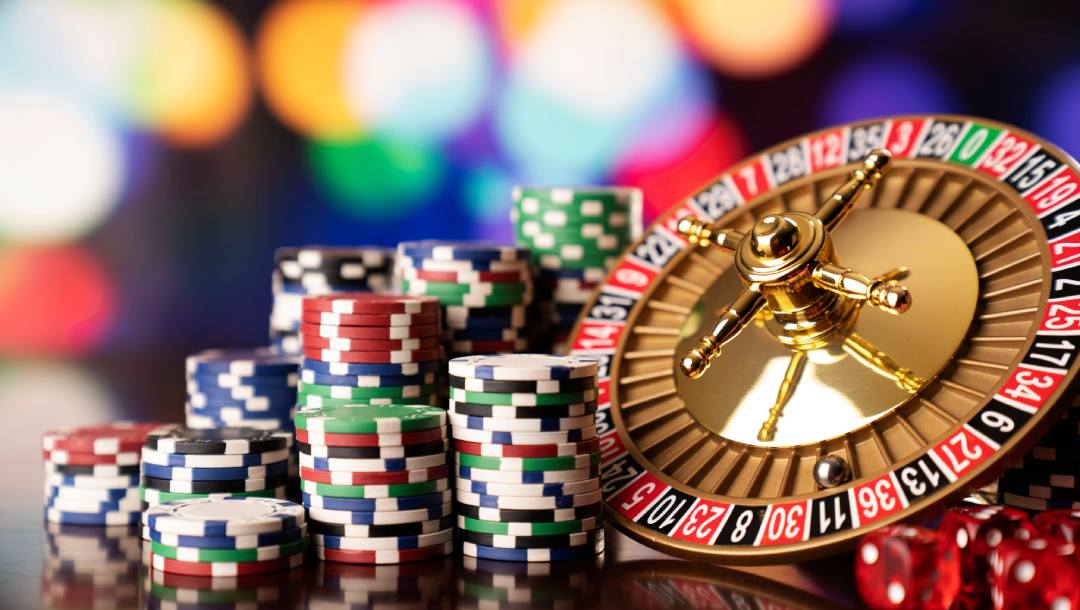
Exploring this topic further opens doors to discussions about responsible gambling, the impact of technology in modern betting, and the changing attitudes towards this age-old practice. Join us in unraveling the complexities of chance and discovering what draws so many to the exciting world of gambling. Whether you are a curious observer or a dedicated player, understanding the allure can enrich your journey into the games of chance.